
You’ve dated before apps.
You’ve dated through apps.
What has changed?

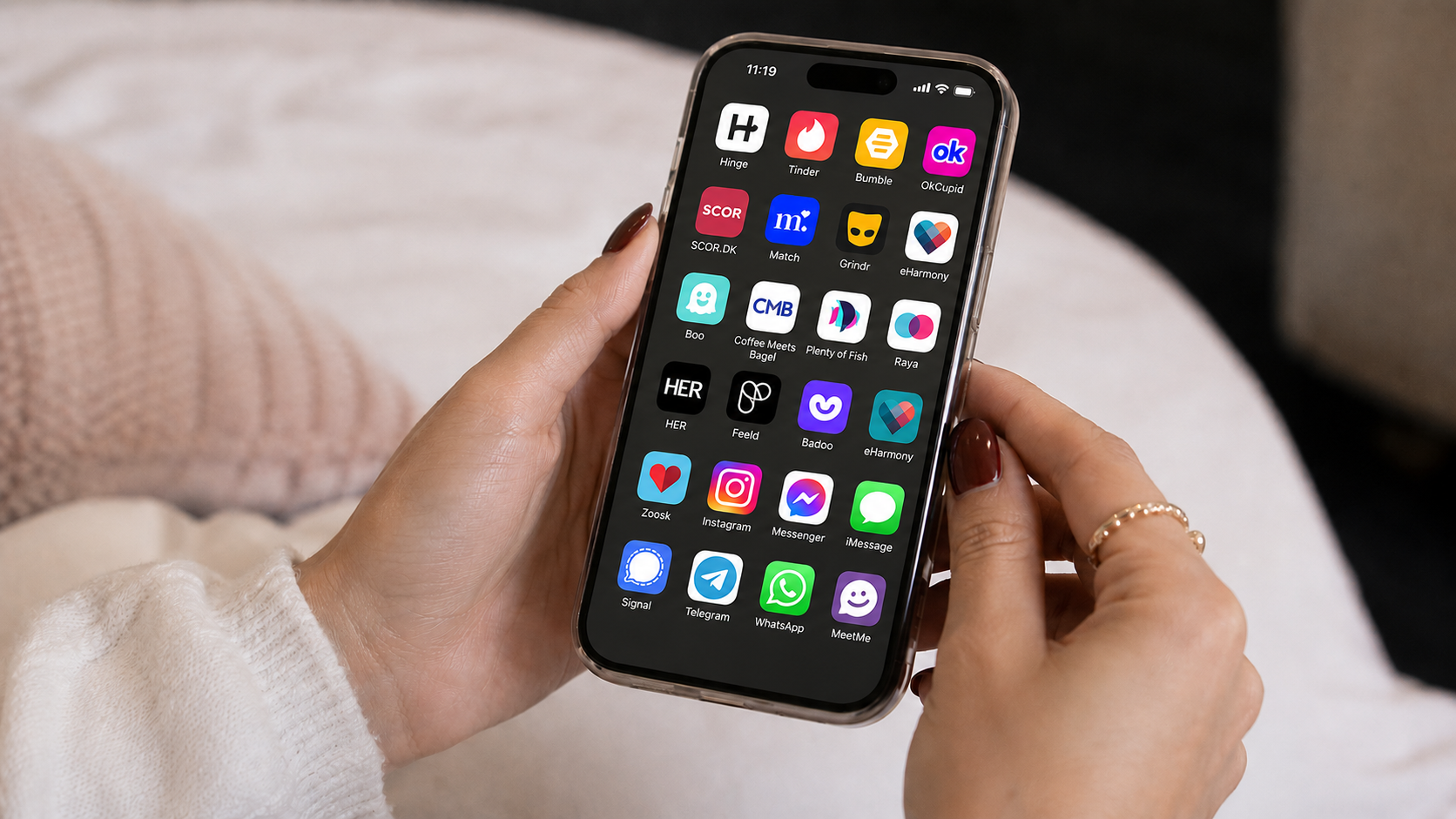
Dating has changed dramatically over the past two decades. From meeting in person to swiping on screens, digital platforms have reshaped how people communicate, connect, and form relationships.
I am conducting research for my Master’s degree in Psychotherapy Studies at the New School of Psychotherapy and Counselling (NSPC) and Middlesex University. The study explores how women in Denmark who have experienced both pre-digital and digital dating make sense of communication, connection, and relational experience across these contexts.
The research is particularly interested in how digital mediation may influence experiences of presence, absence, uncertainty, and meaning-making in dating.
Research conducted by Esra G. Pertan, under the academic oversight of News School of Psychotherapy and Counselling, and Middlesex University.
Why this research matters?
Digital dating has not simply introduced new tools; it has altered the conditions under which connection begins, unfolds, and is interpreted. While research has examined patterns of usage, matching algorithms, and behavioural outcomes, much less is known about how these changes are experienced from a first-person perspective.
By exploring how women in Denmark who have dated across both pre-digital and digital contexts (seeking romantic, casual, or sexual connections) make sense of perceived changes in their communication, this study aims to contribute to a deeper understanding of how intimacy, uncertainty, authenticity, and relational meaning are negotiated within contemporary Danish dating cultures.
The findings may offer insight relevant to psychotherapy, relational research, and broader conversations about how technology mediates connection.
Exploring what it means to date across the shift from face-to-face encounters to digitally mediated connection
Inform ethical digital design
Contribute insight into how digitally mediated communication shapes relational experience, potentially informing more thoughtful and ethically sensitive platform design.
Contribute to existential and phenomenological scholarship
Deepen understanding of how digital technologies influence feelings of closeness, being seen or understood, and experiences of connection.
Support therapists, educators, and policymakers
Offer nuanced perspectives on how digital dating environments may shape communication norms, expectations of connection, and the meaning of intimacy in contemporary relationships.
Who can take part?

This study involves a small, purposively selected group of participants. If you meet the criteria outlined below and are willing to reflect on your experiences, your perspective would make a valuable contribution to the research.
Participation is entirely voluntary, and all information will be treated strictly confidentially.
You may be eligible to participate if you:
Are aged between 40-58
Identify as a woman (including cisgender and transgender women)
Are currently living in Denmark and have been living in Denmark since 2005 (including those born in Denmark)
Have dated prior to the rise of digital dating platforms and have continued dating in the era of dating apps
Are currently actively dating, either online or offline, or both, in a consensual and ethically transparent way to all parties involved
Are comfortable being interviewed in English
You may not be eligible to participate if you:
Do not meet the criteria listed above
Feel that reflecting on your dating experiences would be emotionally overwhelming or distressing at this time

Frequently asked questions
What You Need to Know
-
The interview will last approx. 60–90 minutes.
-
This study includes participants aged between 38 and 50. The age range has been selected to ensure that participants have had adult experience of dating before digital dating platforms became widely established, and have also dated in the era of apps. This enables the study to explore lived experience across both relational contexts within a comparable generational cohort.
-
This study focuses on women (including cisgender and transgender women) to explore a specific relational and social context in depth. Gendered expectations and communication norms may shape dating experiences, and limiting the sample supports a more coherent and focused analysis across pre-digital and digital contexts.
-
This study focuses on experiences of casual, romantic, and sexual forms of dating across both pre-digital and digital contexts. You do not need to be seeking a particular type of relationship; the study is interested in how these different relational intentions are experienced and understood.
-
No. The interview will take place online via Zoom, so you can participate from a private and comfortable location of your choice.
-
If you meet the eligibility criteria and would like to take part, you will receive a Participant Information Sheet and Consent Form. You will have time to read these documents carefully before deciding whether to participate. A mutually suitable time will then be scheduled for the interview. Any anticipated technical arrangements or potential connection issues will be clarified in advance.
-
Yes. The interview will be audio-recorded with your consent to ensure accurate transcription. Recordings will be stored securely and deleted after transcription and the two-week withdrawal period.
-
Yes. Your identity will be anonymised. Pseudonyms will be used in transcripts and in the final dissertation. Access to the anonymised transcript will be restricted to the researcher and the academic supervisor. Confidentiality will be maintained unless there is a legal or safeguarding obligation to disclose information indicating a serious and immediate risk of harm.
-
Yes. Participation is entirely voluntary. You may withdraw at any time up to two weeks after your interview date without giving a reason. After this point, it will no longer be possible to withdraw your data, as it will have been anonymised and incorporated into the research analysis.
-
There is no financial compensation for participation. Some participants may find it meaningful to reflect on their experiences and contribute to research on how dating practices have evolved.
-
Although the topic is not trauma-focused, discussing personal or relational experiences may evoke emotional responses. You may pause, skip questions, reschedule, or stop the interview at any time.
-
No. This study is for research purposes only and does not constitute therapy, counselling, or psychological assessment.
-
Yes. You may request a copy or summary of the completed Master’s dissertation once it has been submitted.
-
All data will be stored securely in accordance with institutional data protection requirements. Identifying information will be removed from transcripts. Anonymised research data will be retained for up to 10 years by the New School of Psychotherapy and Counselling.
-
Yes. This study has been reviewed and approved by the NSPC Research Ethics Sub-Committee.
-
If you have any questions about the study, you are welcome to contact me via email. If you have any concerns regarding how the research is being conducted, you may contact the research supervisor or the NSPC Research Ethics Sub-Committee. Relevant contact details are available in the Participant Information Sheet.
How to participateIf you are interested in participating in this research study, please complete the confidential form below. You may also contact me directly by email. I aim to respond to all enquiries within 48-72 hours and will arrange a convenient time to speak and address any questions you may have.